
Play Fischer Random Chess Step by Step – Setup, Rules & Strategy Guide
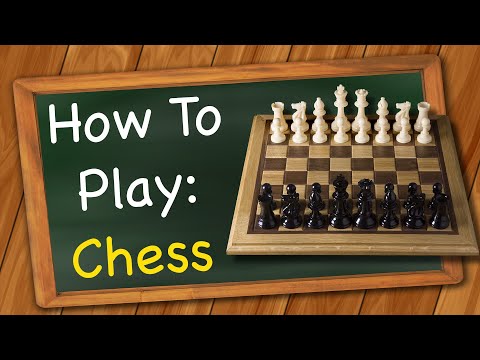
How to Play Fischer Random Chess Step by Step
Understanding Fischer Random Chess (Chess960)
Fischer Random Chess, commonly known as Chess960, is a modern variant of classic chess invented by former World Champion Bobby Fischer. The game randomizes the placement of the back‑rank pieces while preserving the basic rules of chess, resulting in 960 possible starting positions. This randomness eliminates the advantage of memorized opening theory, forcing players to rely on fundamental principles and creativity.
The appeal of this variant lies in its ability to level the playing field for newcomers and seasoned players alike. By removing the need to study long opening repertoires, Fischer Random encourages deeper strategic thinking and improves overall board awareness. Many top grandmasters now use Chess960 as a training tool to sharpen their tactical vision.
Who Can Benefit from Playing Fischer Random Chess
If you’re a beginner looking for a fresh way to learn basic chess concepts, Fischer Random provides a less intimidating entry point. The random start positions prevent reliance on rote memorization, making each game a true test of understanding. For intermediate players, the variant offers a rigorous workout for pattern recognition and calculation skills.
Advanced competitors also find value in Chess960 because it highlights pure strategic ability over opening preparation. Online tournaments and official FIDE events now feature a Fischer Random category, giving serious players an additional arena to showcase their talent. Whether you’re playing casually or competitively, the variant expands your chess toolbox.
Setting Up the Board – A Step‑by‑Step Guide
Randomizing the Starting Position
Begin by shuffling the back‑rank pieces for each side while respecting two key constraints: the bishops must occupy opposite‑colored squares, and the king must be placed between the two rooks. Many online platforms automate this process, but you can also use a physical randomizer or a simple dice roll to decide piece order.
Piece Placement Rules
After determining the order, place the pieces on the first rank from a‑file to h‑file for White and the eighth rank for Black. Pawns always start on the second and seventh ranks, just as in standard chess. Double‑check that the bishops are on opposite colors and the king is sandwiched between the rooks; this ensures a legal Chess960 position.
Once the board is set, verify castling rights. In Fischer Random, castling follows the same end‑position as classical chess: the king ends on the g‑file (kingside) or c‑file (queenside), and the rook moves to the adjacent file. The path between the king and rook must be clear, and neither piece may have moved previously.
Playing the Game – Step‑by‑Step Strategy
Opening Principles in Fischer Random
Because the opening pieces are unpredictable, focus on universal principles: control the centre, develop minor pieces, and ensure king safety. Move knights and bishops toward central squares early, even if they start on the edge of the board. Prioritize connecting your rooks as soon as possible, which often means finding a safe square for the king before castling.
Middle‑Game Tactics
Once the pieces are developed, look for tactical motifs that are independent of the initial arrangement. Common patterns such as forks, pins, and discovered attacks appear just as often in Chess960 as in standard chess. Keep an eye on the opponent’s castling plans; a premature castling move can become a target if the king’s safety is compromised.
Endgame Considerations
Endgame technique does not change dramatically, but the unusual piece placement can affect pawn structures. Aim to simplify when you have a material advantage, and use your rooks to control open files that may have emerged from the random setup. King activity is paramount; bring your king into the fight early once the board clears.
Practical Tips to Improve Your Play
Applying disciplined habits will accelerate your mastery of Fischer Random chess. Below are actionable tips you can start using today.
- Practice the castling rules repeatedly; they differ subtly from standard chess.
- Spend the first few moves establishing a solid pawn centre, even if the pieces start on the corners.
- Use a “development checklist” each turn: knight, bishop, rook, queen, king safety.
- Study classic chess tactics and apply them to the new positions; the ideas transfer directly.
- Play rapid games against a variety of opponents to encounter many of the 960 setups.
Integrating these habits into your routine will help you transition from a theoretical learner to a confident practitioner who can play Fischer Random chess step by step with confidence.
Common Mistakes to Avoid
Even experienced players fall into traps when adapting to the random start. Recognizing these pitfalls early saves time and frustration.
- Neglecting to verify the bishop‑color rule, which leads to illegal positions.
- Rushing to castle without confirming that the squares between the king and rook are empty.
- Over‑relying on memorized standard‑opening sequences that no longer apply.
- Ignoring early king safety; the random layout can expose the king more quickly than usual.
- Focusing too much on material at the expense of piece activity and coordination.
By keeping these errors in mind, you’ll develop a more resilient and adaptable approach to each unique board layout.
Tools, Resources, and Where to Play Online
Several platforms now support Fischer Random chess, each with its own strengths. Below is a quick comparison to help you choose the best environment for practice and competition.
| Platform | Free Access | Custom Position Generator | Tournament Support |
|---|---|---|---|
| CH960 | Yes | Built‑in randomizer with visual preview | Regular Fischer Random leagues |
| Lichess | Yes | Random start button; also allows manual setup | Occasional community‑run events |
| Chess.com | Limited (premium required for full features) | Random start option in “Variants” section | Official Chess960 tournaments for members |
Among these, CH960 stands out for its dedicated Fischer Random community and seamless integration of the random‑position engine. You can explore the site and join a live game by visiting Royal Shuffle on CH960.
Frequently Asked Questions
Do the rules of chess change in Fischer Random? All standard chess rules apply except for the castling procedure, which adapts to the random back‑rank layout.
Is Fischer Random recognized by official chess bodies? Yes, FIDE includes Chess960 in its official rating system and organizes world championship events for the variant.
Can I use my existing chess opening knowledge? Basic concepts such as controlling the centre, piece development, and king safety remain essential, even though specific opening lines differ.
How can I practice without an opponent? Many online platforms offer computer opponents with adjustable difficulty, and you can also set up puzzles based on random positions to sharpen tactical vision.



Neueste Kommentare